Installation Guide

Hurricane Fabric Installation (DIY or Professional Setup)

Proper installation is what determines whether your system performs under real storm pressure.

The good news: hurricane fabric systems are designed for fast, straightforward installation — without heavy equipment or complex construction.

Before You Start (Critical)

Incorrect measurements or weak anchoring can compromise performance.

Before installation, make sure:

  • Mounting surfaces are structurally sound (concrete, wood framing, or reinforced areas)
  • You’re using corrosion-resistant, storm-rated fasteners
  • All measurements are accurate to the millimeter/inch

If you’re unsure at any stage, it’s better to consult a professional than risk failure under load.

Tools Required

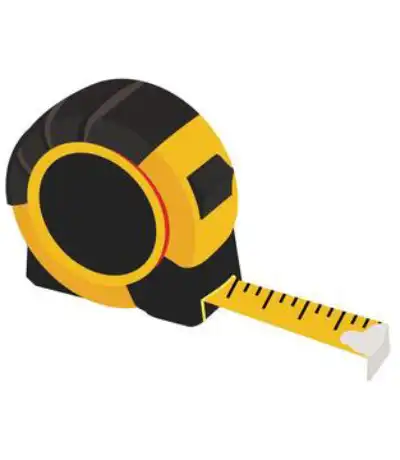
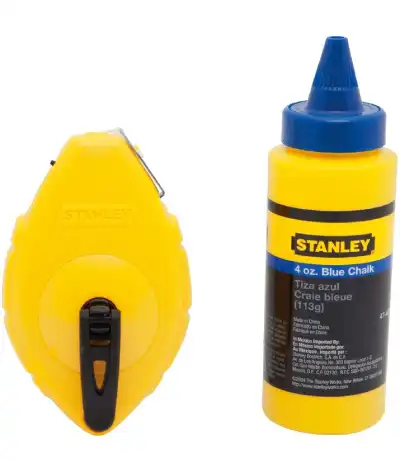
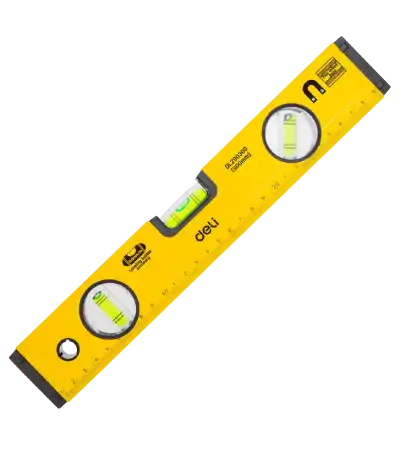
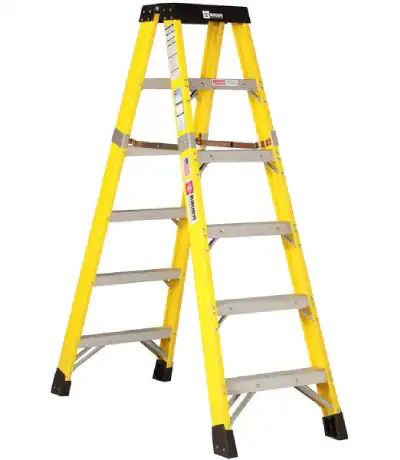
Tools Required

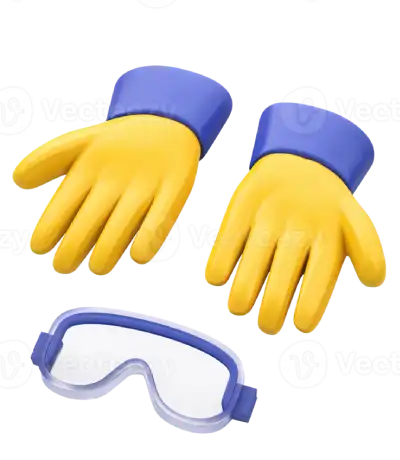
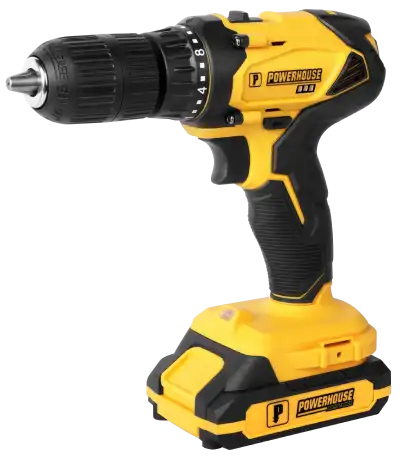
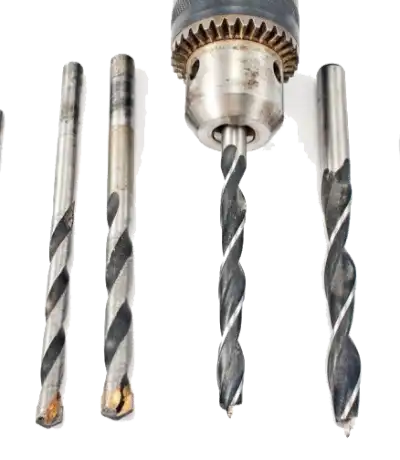
If you’re installing it yourself , this tools will be helpful and required to ensure ensures secure & code-aligned setup.
Step-by-Step Installation Instructions

Lorem ipsum dolor sit amet, consectetur adipiscing elit, sed do eiusmod tempor incididunt ut labore et dolore magna aliqua. Ut enim ad minim veniam, quis nostrud exercitation

Step 1: Measure the Opening (Precision Matters)

Measure the full width and height of each window, door, or exposed opening.

  • Add required overlap (typically 2–4 inches per side)
  • Double-check all dimensions before proceeding

Mistake here = improper coverage during a storm.

Step 2: Mark Mounting Points

Using a level, mark anchor points around the perimeter of the opening.

  • Keep spacing consistent
  • Ensure alignment is straight and even
  • Avoid weak or cracked surfaces

Accurate marking ensures even load distribution under wind pressure.

Step 3: Install Anchors or Track System

Drill and secure anchors or tracks into the marked positions.

  • Use stainless steel or corrosion-resistant fasteners
  • Ensure deep, secure fastening into structural material (not just surface layer)
  • Tighten firmly — no loose fittings

This step determines how well the system holds under force.

Step 4: Attach the Hurricane Fabric

Secure the fabric panel to the installed anchors or track system.

  • Ensure fabric is tight, evenly tensioned, and wrinkle-free
  • Check all connection points
  • Avoid slack areas — these reduce performance

Proper tension allows the fabric to absorb and disperse impact energy.

Final Inspection Checklist

Before considering installation complete:

  • All anchors tightly secured
  • Fabric properly aligned and fully covering the opening
  • No loose edges or gaps
  • Mounting system evenly distributed
  • Hardware corrosion-resistant and storm-rated

If anything feels loose — fix it now, not during a storm.

DIY vs Professional Installation

DIY Installation

  • Faster and more cost-effective
  • Ideal for standard residential openings
  • Requires careful measurement and proper tools

Professional Installation

  • Recommended for large properties or complex layouts
  • Ensures full compliance with local building codes
  • Reduces risk of installation errors

Important: Code Compliance

In high-risk areas (like HVHZ zones), installation must meet strict building code requirements.

We provide:

  • Installation guidelines aligned with permit standards
  • Engineering documentation (on request)
  • Support for contractor coordination

Tools Required